
A 90‑second field guide to cracks.
Most cracks in a UK home are cosmetic. A small minority signal foundation movement. Here's how to tell the difference.
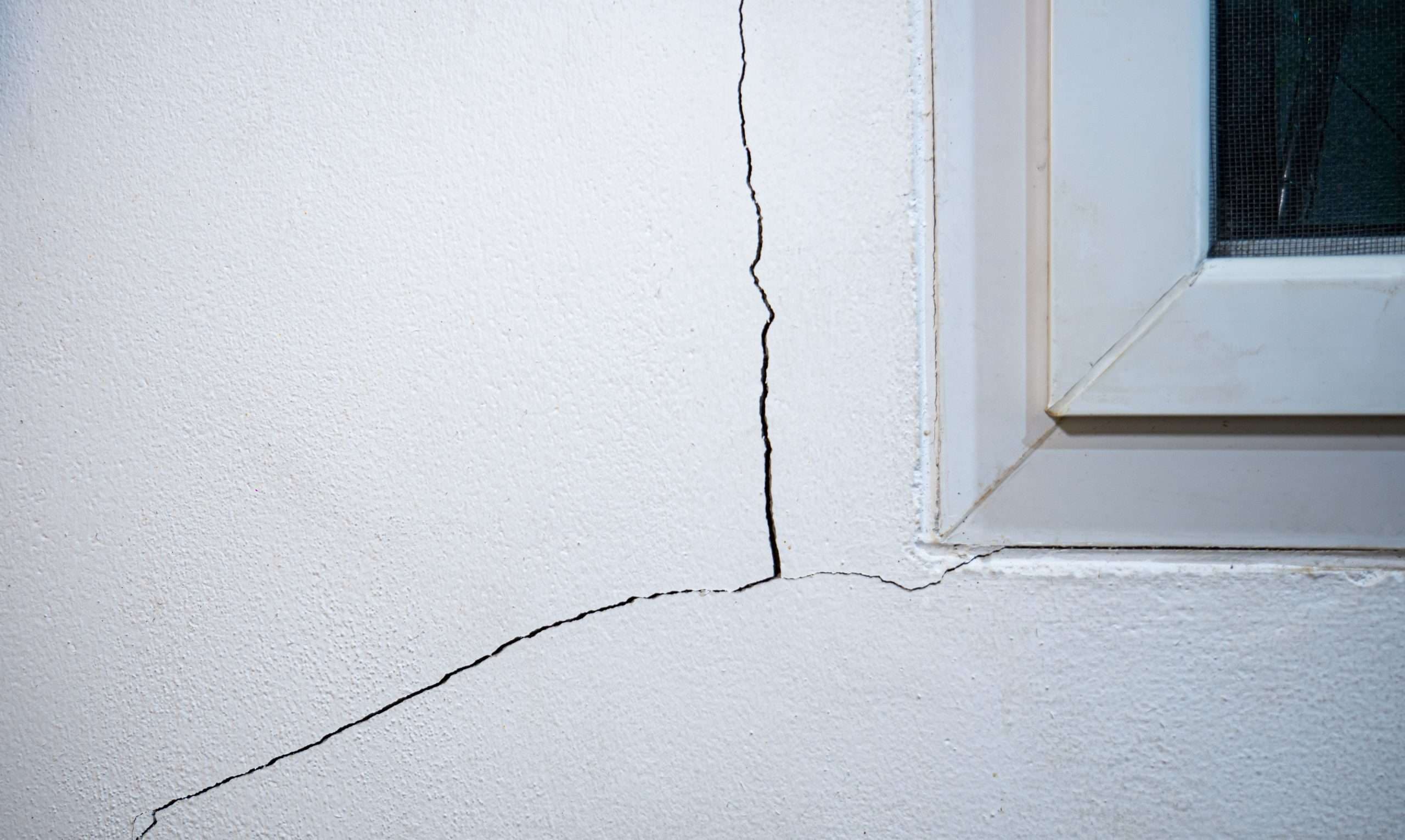 DiagonalHigh
Diagonal cracks that step through the mortar joints — especially those that widen toward the top of the wall — are the textbook signal of foundation movement.
 SteppedHigh
Following the line of mortar joints in a stair‑step pattern. Usually opens at the corner of a window, bay or extension.
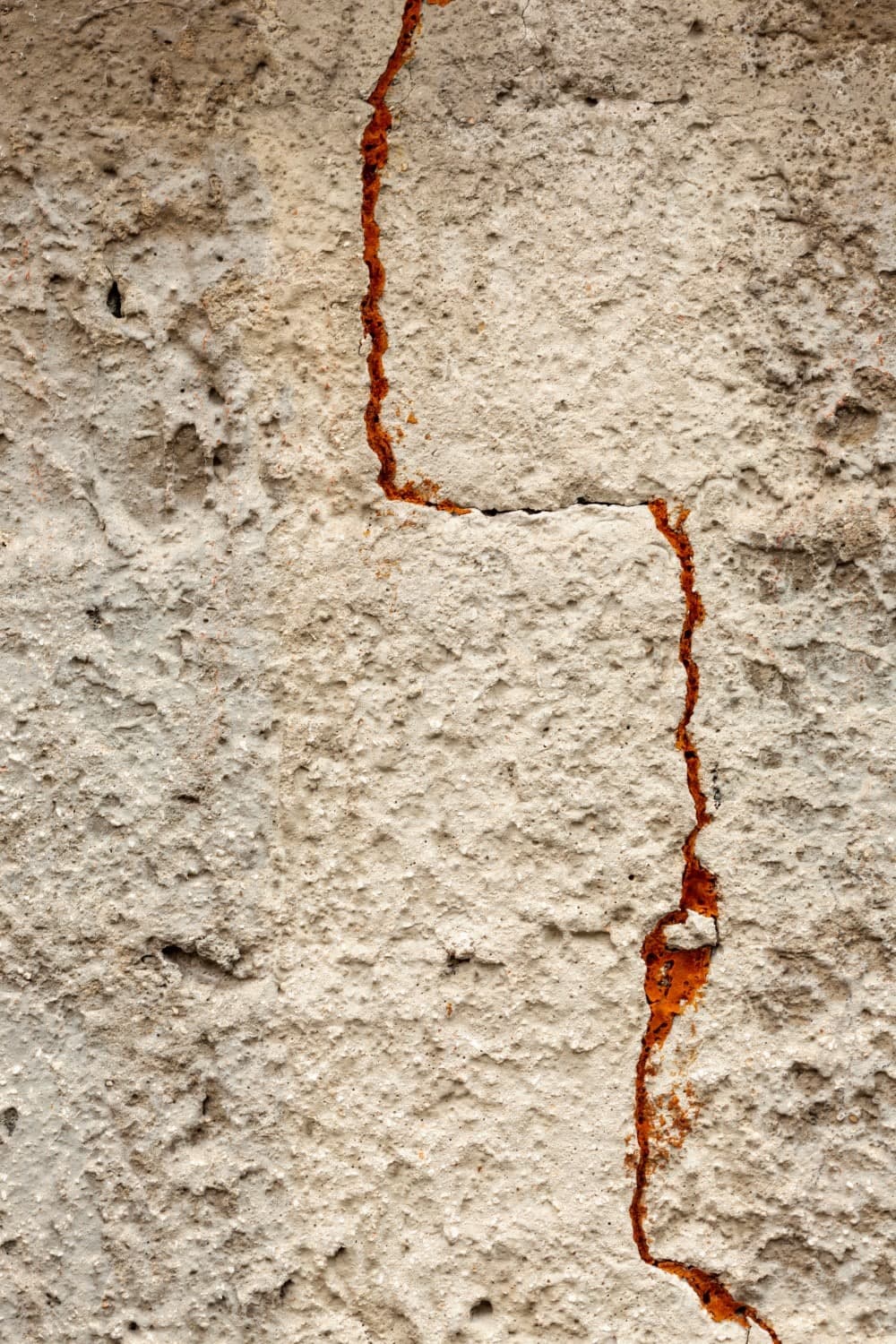 TaperedMedium
Wider at one end than the other. Indicates differential movement — one part of the structure has dropped relative to another.
 Vertical (hairline)Low
Thin, vertical cracks in render or plaster are usually shrinkage or settlement of finishes — not foundation subsidence.
 HorizontalInvestigate
Horizontal cracking is rarely subsidence — but can indicate other structural issues that warrant a survey.
Photograph it. Date it. Mark the ends.
The single most useful diagnostic is a pencil mark at each end of the crack, with the date written next to it. If the mark is still at the end of the crack a month later, you're looking at static cracking. If the crack has grown past the mark, call us.
Better still: book a Subcheck baseline survey. Sub‑millimetre accuracy, alerts if movement crosses a threshold, full report after twelve months.
The crack stops growing the moment you call.
Tell us what you're seeing. We'll book a same‑week survey, produce a written engineering report, and quote in plain numbers.